
The Row’s Guiding Design Principle, Unpacked: Why Less Is More
More than two decades have gone by since The Row began showing that holding back can be its own form of luxury. The label was founded by Mary-Kate and Ashley Olsen in 2006, and it earned its name not through branding or novelty drops but through exacting construction, exacting proportions, and materials chosen for how they age rather than how they photograph. Mention quiet luxury and, within moments, The Row will inevitably enter the discussion, because the brand essentially wrote the rulebook that others are still following. Its design philosophy rests on a simple premise: remove everything that does not serve the garment or the object, and what remains will last. That approach extends across ready-to-wear, outerwear, and especially the accessories category, where the row bags have become shorthand for understated status. To grasp why less is more at The Row, one must examine construction decisions, material sourcing, and the slow, near-architectural process behind every release.
The Origins of a Minimalist Philosophy
The fashion landscape was saturated with maximalism, heavy branding, and fast turnover when the Olsens launched The Row. They chose to go against the grain on purpose: garments with almost no visible hardware, tonal palettes, and silhouettes that took months, not weeks, to perfect. This deliberate, slow-developing mindset turned into the brand’s defining trait, and it is why The Row comes up often in conversations about the row fashion as a standalone category, not merely a passing fad. The founders have described their ambition to design pieces people would still want to wear even a decade later, which meant ruling out anything with a throwaway feel. This approach demanded sourcing partnerships with laurentoutlet.com/tote-bags ateliers in Italy and the UK able to hand-finish details that most shoppers never consciously register yet somehow sense. Even seam allowances, lining weights, and top-stitching tension are adjusted with a precision rarely seen beyond true couture ateliers. What emerges is a collection in which minimalism isn’t a stylistic shortcut but the product of enormous, invisible effort.
How the Bags Became the Brand’s Defining Signature
In no other place is this design ethos more plainly visible than within the row handbags, which have quietly become some of the most prized accessories in present-day fashion. Unlike bags built around a logo motif or a hardware motif, the row bag designs rely entirely on silhouette, scale, and the caliber of the hide used. The Margaux, arguably the brand’s most recognized style, uses an unstructured, slouchy silhouette that changes character depending on how it is carried, folded, or filled. That kind of design only works when the leather is exceptional, since there is nothing in the way of hardware or logos to draw attention away from any flaw. The row tote bag options follow the same logic: large in scale, sparingly decorated, and made from vegetable-tanned or napa leathers selected because they a rich patina. Buyers looking into the best row bags routinely observe that the styles read more as lasting investments than seasonal purchases, and the secondary market confirms this, with several styles holding 60 to 75 percent of retail value years after release.
Without visible branding, the way these bags operate in social settings. A row bag is recognized by people who already know what they are looking at, which is precisely the point. This has made the top row bags into something of an insider signal within fashion circles, prized specifically because they do not shout. Such understatement asks more of both material and build, since there is no way for a flaw to stay hidden.
A Closer Look at Materials: Hide, Hardware, and Craftsmanship
The Row’s material choices reveal just how much engineering-level consideration underlies its stripped-down appearance. Leathers are selected not just for softness but for how they will look after 500 uses, which is a very different calculation than picking a hide based on its first-day appearance. When hardware appears at all, it is typically solid brass or satin-finished metal rather than anything glossy or logo-stamped, picked specifically so it won’t date or flake over time. Threadwork is frequently matched to the leather, deliberately chosen so the stitching blends with the hide instead of standing out as a visible seam. This is a clear break from bags built with decorative stitching or contrast piping, and it requires leather cutters with significant skill, since any irregularity becomes immediately visible without a busy pattern to mask it. The row bags overview that circulates among resale experts and personal shoppers consistently highlights this build standard as the primary reason these pieces command strong secondary-market prices. Buyers are not paying for a name printed on canvas; they are paying for skins and craftsmanship that were expensive to produce in the first place.
Comparing The Row’s Core Bag Styles
For buyers trying to decide between its most coveted silhouettes, a head-to-head look helps illuminate the day-to-day differences in how each silhouette is intended for use day to day.
| Silhouette Name | Shape | Ideal Use | Rigidity |
|---|---|---|---|
| Margaux | Slouchy, open-top tote | Everyday use, commuting to work | Unstructured |
| The Row Tote Bag (classic) | Generously sized, boxy-bottomed shape | Journeys and heavier everyday carry | Moderately firm |
| Small-scale top-handle designs | Smaller, boxier frame | Nighttime outings, pared-back basics | Structured |
This range demonstrates that the row bags are not a single formula repeated in different sizes but a spectrum of engineering decisions, each calibrated to a specific use case. Someone shopping for an everyday tote will have very different priorities than someone looking for a compact evening piece, and the brand’s range reflects that without ever abandoning its core aesthetic restraint.
Locating Real, Verified Pieces and Making Sense of Row Sale Events
Because The Row does not discount aggressively or run frequent promotions, questions about where to buy the row margaux bag and similar styles tend to focus on authorized retailers rather than markdown hunting. Distribution runs through the brand’s own boutiques plus a handful of carefully vetted department stores and luxury online retailers, which helps protect both quality control and resale value. On the occasions a row sale happens, it’s usually linked to end-of-season stock at authorized multi-brand sellers rather than the brand’s own channels, and certain colorways or leathers may be hard to find. Shoppers should stay wary of third-party sellers pushing deep discounts on the row bag styles, as the resale market has seen a rise in convincing fakes given how desirable these pieces have become. Examining stitch uniformity, the heft of the hardware, and the stamp on the interior lining are sensible steps for confirming authenticity before buying through resale channels. Those set on finding the Margaux specifically will often do better contacting an authorized boutique directly rather than searching widely online, since inventory shifts quickly and isn’t always reflected correctly across every retailer’s website.
Unpacking What “Less Is More” Truly Means for Durability Over Time
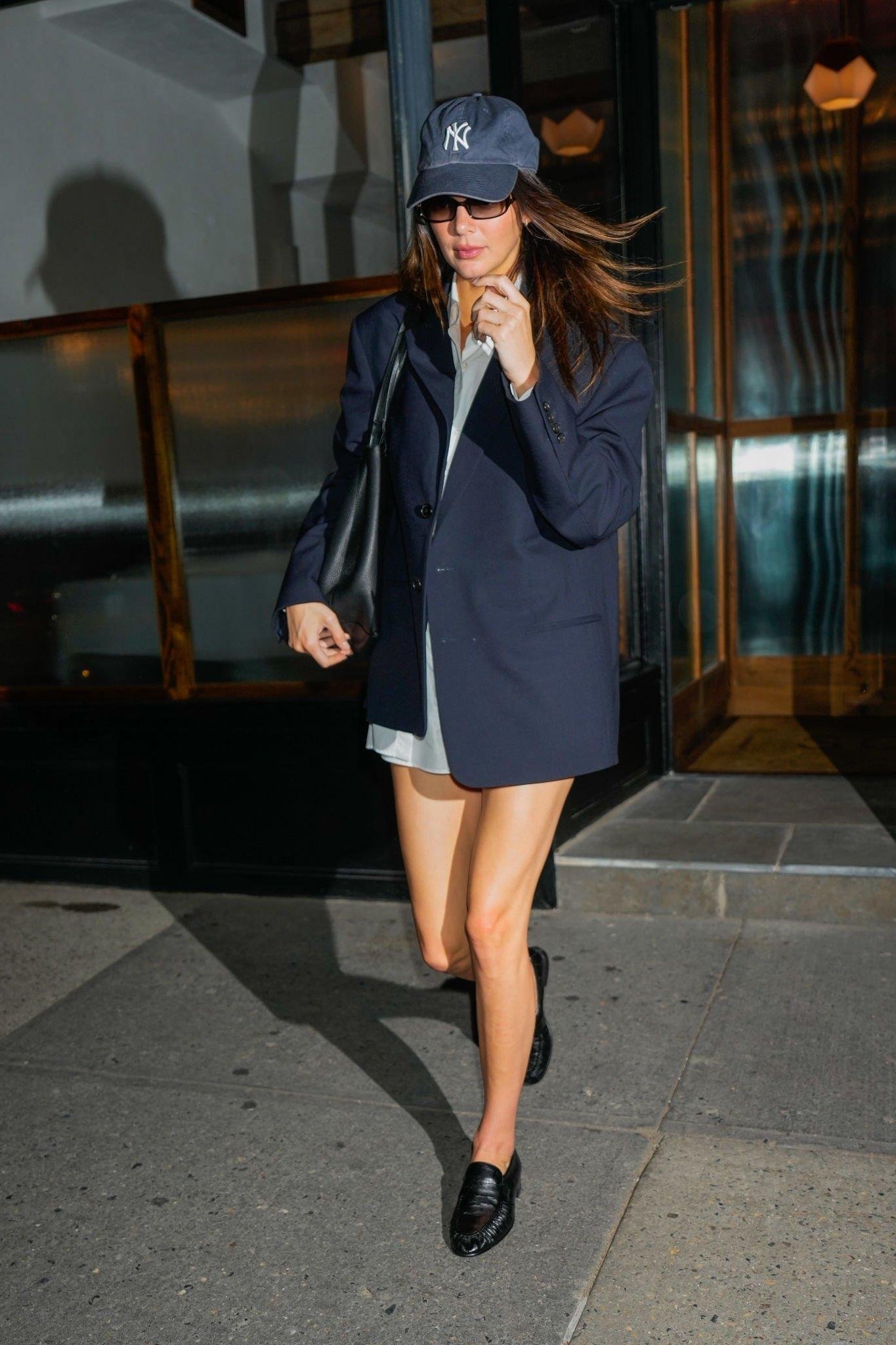
For anyone trying to decide whether to put money into the brand, that distinction counts: The Row label’s minimalism turns out to be a long-game strategy, far from being an aesthetic preference. Pieces and bags alike built with fewer decorative elements have fewer failure points over time, and this is a pragmatic point just as much as a stylistic one. A logo can feel dated within a few seasons; a precisely tailored shoulder line or a gorgeously patinated leather tote rarely does. This is why secondhand-market circles talking about the best row bags so often center their discussions on durability and long-term versatility over any alignment with fleeting trends. The Row has essentially created a niche where discipline functions as protection against becoming dated. For anyone considering an investment buy in 2026, this line of thinking merits real attention, because the thinking that shapes the design is tightly bound to how much the pieces are worth years later. Less, in The Row’s case, has never meant simpler to make. It has only ever meant nothing left to distract from the making itself.